
















The Last Ashra of Ramadan: A Time for Mercy, Forgiveness, and Spiritual Renewal
The holy month of Ramadan is divided into three parts, each lasting ten days (Ashras). The last Ashra, which begins on the 21st night of Ramadan, is the most spiritually significant period for Muslims around the world. These final ten days are dedicated to seeking Allah’s forgiveness, protection from Hellfire, and the special blessings of the Night of Power.
For believers, the last Ashra is a time to increase worship, reflection, and connection with Allah.
The Meaning of the Last Ashra
The last Ashra is known as the Ashra of Salvation (Najaat). During this period, Muslims pray for protection from Hellfire and ask Allah for mercy and forgiveness.
A famous supplication recited during these days is:
“Allahumma ajirni minan naar.”
O Allah, protect me from the Hellfire.
Muslims intensify their worship during these days by offering additional prayers, reciting the Qur'an, making dua, and engaging in charity.
The Significance of Laylat al-Qadr
One of the greatest blessings of the last Ashra is the night known as Laylat al-Qadr (The Night of Power).
This night is described in the Qur’an as:
“Better than a thousand months.”
It is the night when the first verses of the Qur’an were revealed to the Prophet Muhammad through Angel Jibreel. Worship performed on this night carries rewards greater than worship performed for over 83 years.
Laylat al-Qadr is believed to fall on one of the odd nights of the last ten days (21st, 23rd, 25th, 27th, or 29th night of Ramadan). Because the exact night is unknown, Muslims increase their devotion throughout all ten nights.
Iʿtikaf: Spiritual Retreat in the Mosque
Another important practice during the last Ashra is Iʿtikaf, a spiritual retreat where Muslims stay in the mosque for the final ten days of Ramadan. During Iʿtikaf, believers dedicate their time entirely to worship, reflection, and recitation of the Qur’an.
This practice follows the tradition of Prophet Muhammad ﷺ, who regularly observed Iʿtikaf in the last ten days of Ramadan.
Recommended Acts of Worship
During the last Ashra, Muslims are encouraged to increase the following acts:
-
Tahajjud (night prayers)
-
Recitation and reflection on the Qur’an
-
Making sincere duas
-
Giving charity (Sadaqah)
-
Seeking forgiveness (Istighfar)
-
Sending blessings upon the Prophet (Durood)
A famous dua recommended for Laylat al-Qadr is:
“Allahumma innaka ‘afuwwun tuhibbul ‘afwa fa‘fu ‘anni.”
O Allah, You are Most Forgiving, and You love forgiveness, so forgive me.
A Time for Reflection and Transformation
The last Ashra is not only about worship but also about personal transformation. Muslims use this time to reflect on their actions, seek forgiveness for past mistakes, and renew their commitment to living a righteous life.
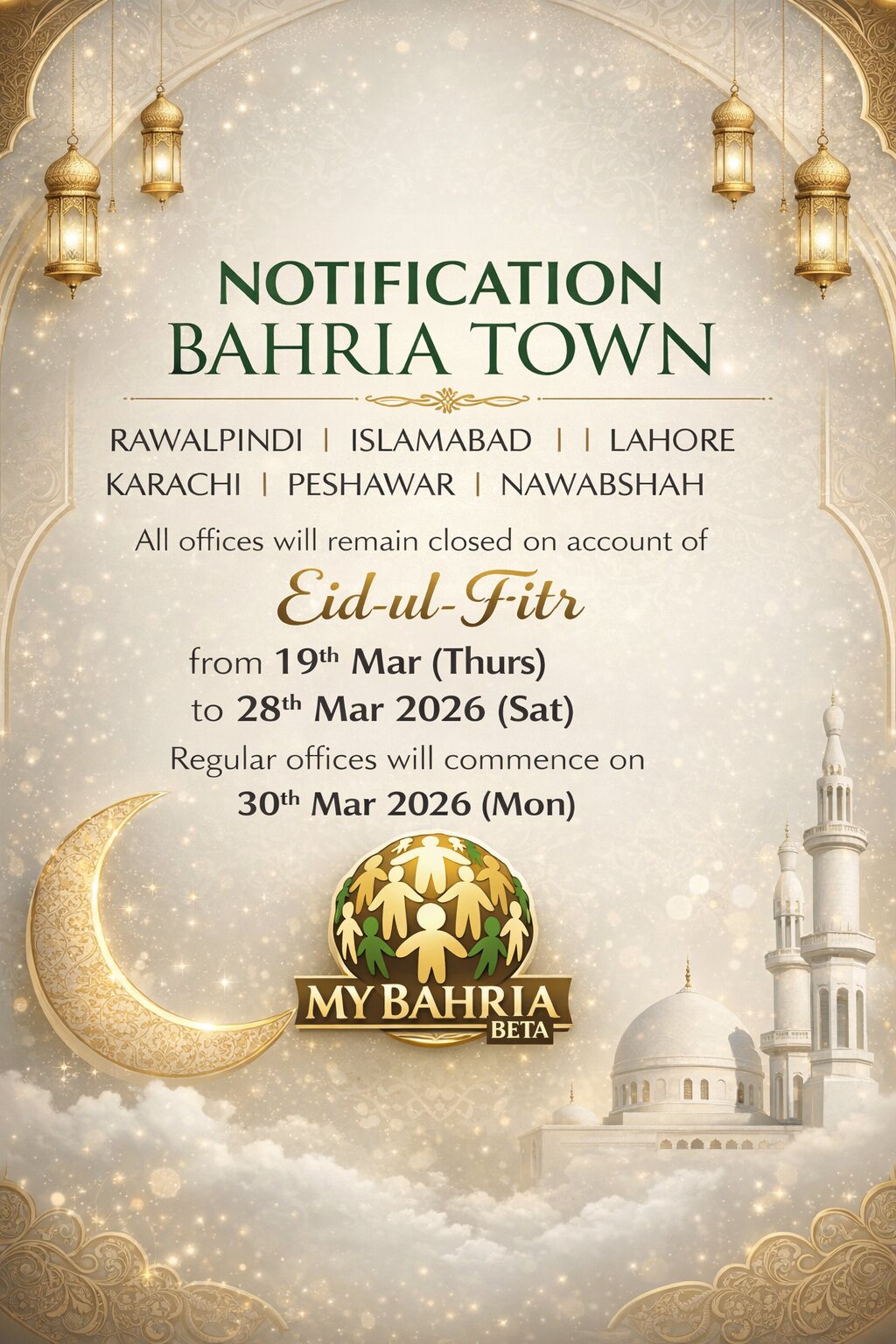
It is a chance to strengthen faith, reconnect with Allah, and prepare spiritually for the celebration of Eid-ul-Fitr.
Conclusion
The last Ashra of Ramadan is the most blessed and spiritually powerful time of the entire month. It is a period filled with mercy, forgiveness, and immense rewards. By dedicating these final days and nights to sincere worship, Muslims hope to gain Allah’s forgiveness and earn the blessings of Laylat al-Qadr.
As Ramadan draws to a close, believers strive to make the most of these precious moments, praying that their efforts will be accepted and that the lessons of Ramadan will continue throughout the year.
Last Ashra of Ramadan – Spiritual Guide & Blessings
Introduction
The final ten days of Ramadan, known as the Last Ashra, are the most sacred and spiritually powerful days of the entire month. These days begin on the 21st night of Ramadan and continue until the moon of Eid al-Fitr is sighted.
Muslims around the world dedicate these days to increased worship, prayer, charity, and seeking forgiveness. It is also during these nights that the blessed Laylat al-Qadr (Night of Power) occurs — a night that is better than a thousand months of worship.
Why the Last Ashra of Ramadan Is So Important
The last Ashra is also called the Ashra of Salvation (Najaat) because believers ask Allah for protection from Hellfire and forgiveness of sins.
Key spiritual blessings of this period:
-
Freedom from Hellfire
-
Opportunity to witness Laylat al-Qadr
-
Multiplied rewards for worship
-
Greater closeness to Allah
-
Spiritual reflection and repentance
During these nights, Muslims increase their prayers, Qur’an recitation, charity, and supplications to gain Allah’s mercy and forgiveness.
Laylat al-Qadr – The Night of Power

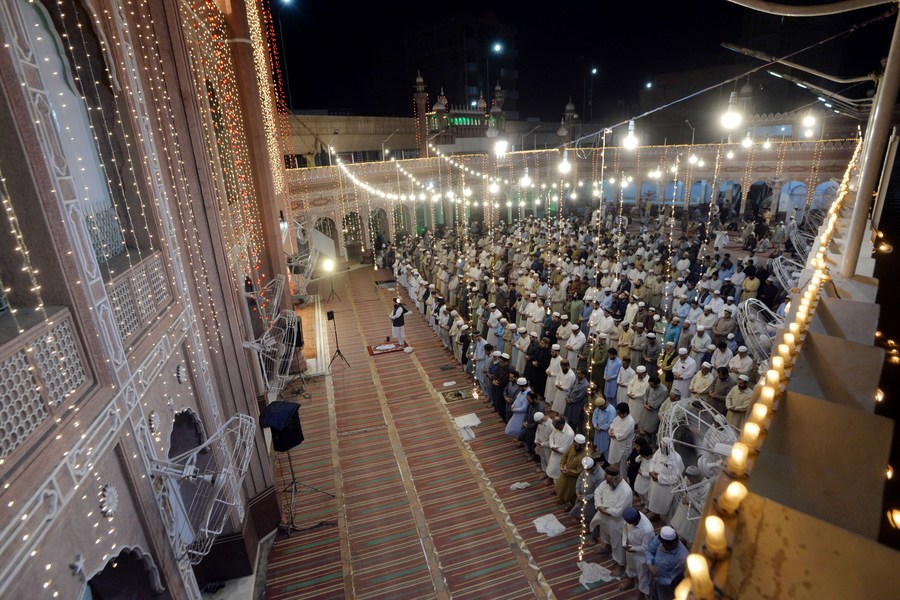
One of the greatest blessings of the last Ashra is Laylat al-Qadr, the night when the first revelation of the Qur'an was sent to the Prophet Muhammad.
The Qur’an states:
“The Night of Decree is better than a thousand months.”
This means that worship performed on this night carries rewards greater than 83 years of worship.
When does Laylat al-Qadr occur?
It is believed to fall on one of the odd nights of the last ten days:
-
21st night
-
23rd night
-
25th night
-
27th night
-
29th night
Because the exact night is unknown, Muslims increase worship during all ten nights.
🕌 Iʿtikaf – A Spiritual Retreat
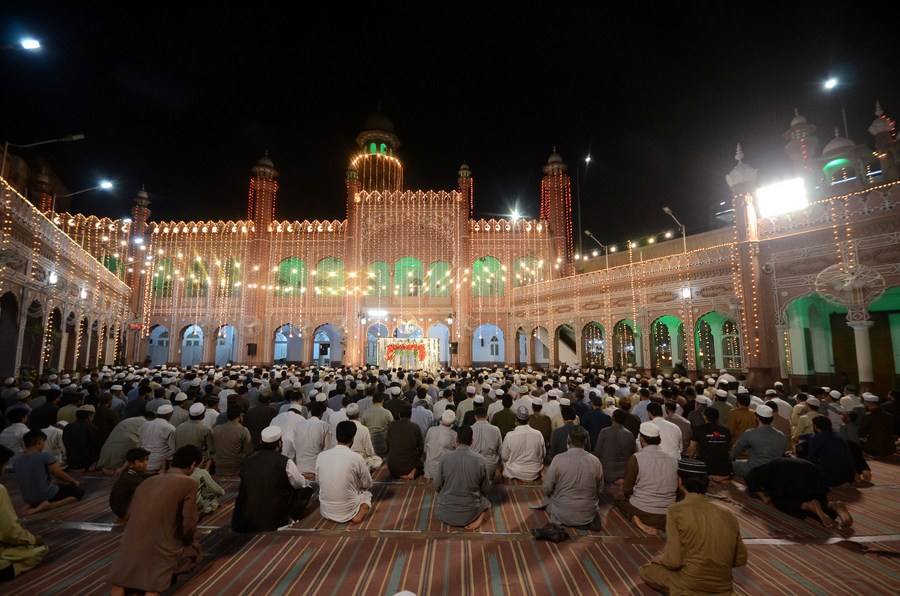
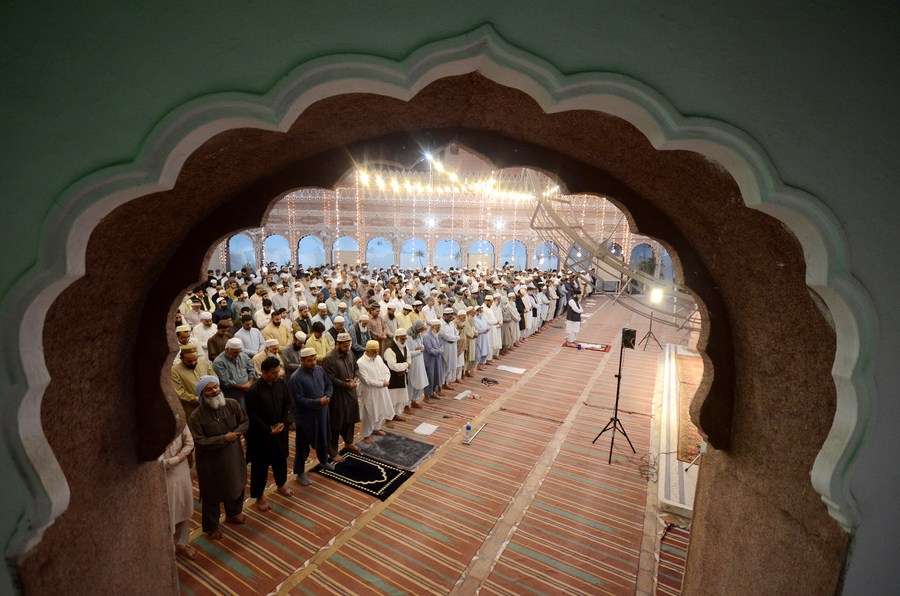
A special act of worship performed during the last Ashra is Iʿtikaf, a spiritual retreat in the mosque.
During Iʿtikaf:
-
Worshippers stay inside the mosque for ten days
-
Focus on prayer, Qur’an recitation, and remembrance of Allah
-
Avoid worldly distractions
-
Strengthen their spiritual connection with Allah
This practice follows the Sunnah of Prophet Muhammad ﷺ, and thousands of Muslims observe it every year in mosques around the world.
🤲 Important Dua of the Last Ashra
A famous supplication recommended for Laylat al-Qadr is:
Arabic
اللَّهُمَّ إِنَّكَ عَفُوٌّ تُحِبُّ الْعَفْوَ فَاعْفُ عَنِّي
Translation
O Allah, You are Most Forgiving and love to forgive, so forgive me.
Another short dua commonly recited:
“Allahumma ajirni minan naar.”
O Allah, save me from the Hellfire.
Best Acts of Worship in the Last 10 Days
To benefit from the blessings of the last Ashra, Muslims are encouraged to:
1️⃣ Pray Tahajjud
Late night prayers are highly rewarding during these nights.
2️⃣ Recite the Qur’an
Reading and understanding the Qur’an strengthens faith and spirituality.
3️⃣ Give Charity (Sadaqah)
Helping the needy multiplies rewards during Ramadan.
4️⃣ Make Dua
Ask Allah for forgiveness, health, and guidance.
5️⃣ Perform Dhikr
Constant remembrance of Allah brings peace to the heart.
Conclusion
The last Ashra of Ramadan is the most precious part of the blessed month. It is a time when Muslims seek forgiveness, mercy, and spiritual renewal. By dedicating these nights to worship, believers hope to gain the blessings of Laylat al-Qadr and strengthen their relationship with Allah.
Every moment in these ten days is valuable. Through prayer, charity, and sincere repentance, Muslims strive to make the most of this sacred opportunity before Ramadan comes to an end.
-
Last Ashra of Ramadan
-
Laylat al-Qadr meaning
-
Last 10 days of Ramadan importance
-
Ramadan spiritual guide
-
Night of Power Islam
Secondary Keywords
-
Itikaf in Ramadan
-
Ramadan dua last ashra
-
Ramadan worship guide
-
Benefits of Laylatul Qadr
-
Ramadan night prayers